
The Casey Review and What Providers Need to Know
Adult social care reforms 2025 are being shaped by the Casey Review at a time when the adult social care system in England has been under pressure for years— underfunded, understaffed, and overstretched. Despite repeated promises of reform, meaningful long-term change has often felt out of reach. That could be about to shift with the launch of the Casey Commission and the government’s latest package of reforms for the adult social care system in England.
A System at Breaking Point
Recent parliamentary reports and media coverage have painted a stark picture for the adult social care system in England:
- The sector is costing the economy an estimated £32 billion annually in lost productivity and inefficiencies.
- Workforce shortages are leaving people without the care they need, with knock-on effects on NHS waiting lists and hospital discharges.
- Unpaid carers are taking on more responsibility than ever, often without adequate support.
As the Financial Times and The Times have reported, MPs warn reforms risk being “doomed to failure” if urgent action isn’t taken alongside long-term planning for the adult social care system in England.
Adult Social Care Reforms 2025: What’s Changing Under the Casey Review
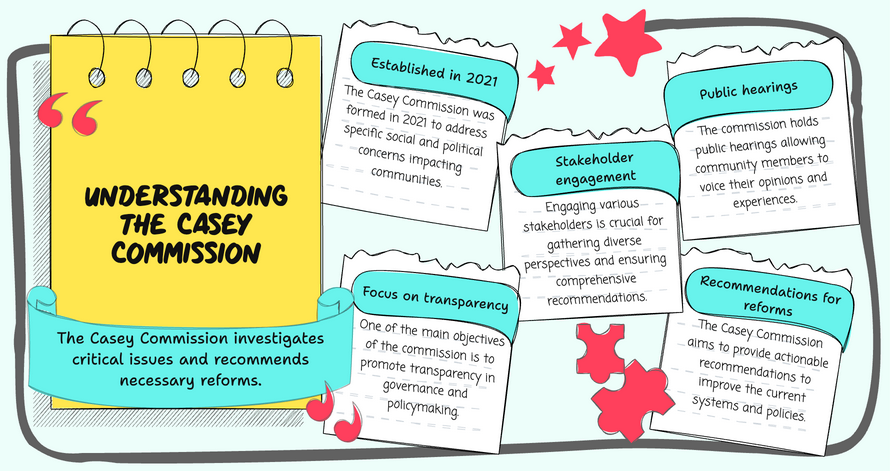
In early 2025, the government announced the creation of the Independent Commission on Adult Social Care, chaired by Baroness Louise Casey a figure widely regarded in Whitehall as someone who gets things done for the adult social care system in England.
The Commission’s remit is ambitious:
- Phase 1 (2026): Launch a national conversation on the future of adult social care, supported by a deep dive into current council and NHS funding dynamics. The goal is to produce a 10-year phased plan towards creating a National Care Service.
- Phase 2 (2028): Publish longer-term recommendations addressing demographic pressures, funding models, and systemic reform.
Alongside this, the government has pledged short-term investment — including £711 million to the Disabled Facilities Grant to enable more home adaptations, and funding for workforce development and digital innovation.
Promise and Concern
The Commission’s creation has been welcomed as a step towards a cross-party, consensus-driven vision for care — one that could endure in the same way the NHS has.
Yet concerns remain:
- Timeline: Critics argue that waiting until 2028 for a fully developed plan delays change beyond the current crisis.
- Funding gap: Interim measures may not be enough to stabilise services struggling right now.
- Data deficit: Without accurate, transparent data on unmet need, workforce capacity, and outcomes, reforms risk being built on shaky foundations.
As The Guardian recently argued, the real challenge may be convincing the Treasury that investing in care for the adult social care system in England is not a cost but an economic driver, delivering a potential 175% return on investment.
What Providers Should Do Now
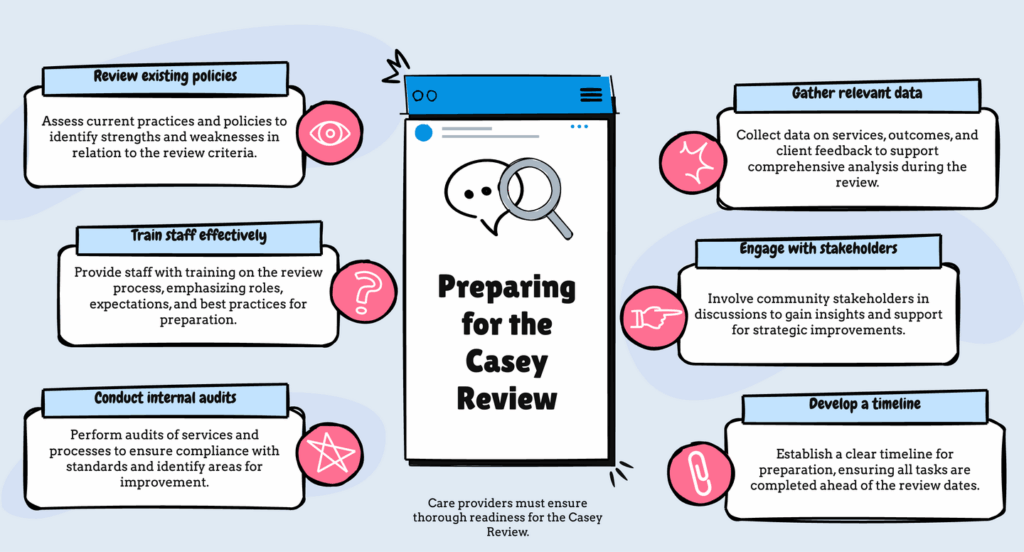
While national reform takes shape, providers can’t afford to sit back and wait. Practical steps you can take include:
- Stay engaged in the conversation – The Commission has pledged to listen to voices from across the sector, including frontline staff and people with lived experience. Make sure yours is heard.
- Strengthen governance and data collection – Collect evidence on outcomes, workforce challenges, and good practice. This will be vital in shaping and responding to reforms.
- Invest in innovation and workforce resilience – Demonstrating proactive approaches to workforce wellbeing, digital care, or preventative models will position you strongly for future funding and inspection changes.
- Collaborate locally – Partnerships with NHS trusts, councils, and community organisations can showcase joined-up solutions that may influence the national picture.
How Irvine Consultancy Can Help
At Irvine Consultancy, we support care providers, local authorities, and system leaders to:
- Interpret and respond to national policy reforms
- Develop governance systems that align with emerging frameworks
- Build resilient workforce strategies
- Evidence impact to regulators, commissioners, and investors
The Casey Review is a rare opportunity to influence the future of the adult social care system in England. Providers that act now — embedding strong practice, gathering data, and engaging with reform — will not only survive but thrive in the system that emerges.
Final Word
The adult social care sector cannot afford another cycle of promises without delivery. The Casey Commission represents both an opportunity and a risk: an opportunity to build a sustainable, person-centred National Care Service — and a risk of more delay if urgency is lost.
The message for providers is clear: prepare for change, make your voice count, and strengthen your practice now. The future of care is being written — and those who engage today will help shape tomorrow.